
Co-Founder
Dr. Mazyar (Maz) Neshat, D.C., FACMUAP
North Carolina–licensed chiropractor and founder of The Pain & Weight Loss Center. A U.S. Army veteran who previously served in a chiropractic role with the Carolina Panthers.
Specialized Trauma & Musculoskeletal Care | Indian Trail, NC
Advanced Manual Therapies provides Manipulation Under Anesthesia (MUA) for carefully selected patients experiencing persistent pain and restricted mobility following automobile accidents, slip-and-fall injuries, and other musculoskeletal trauma.
A specialized, non-incisional procedure performed by two certified MUA practitioners with anesthesia, nursing, and medical oversight.
Candidacy is determined only after a clinical evaluation. Individual results vary.

Illustrative image — not the AMT facility
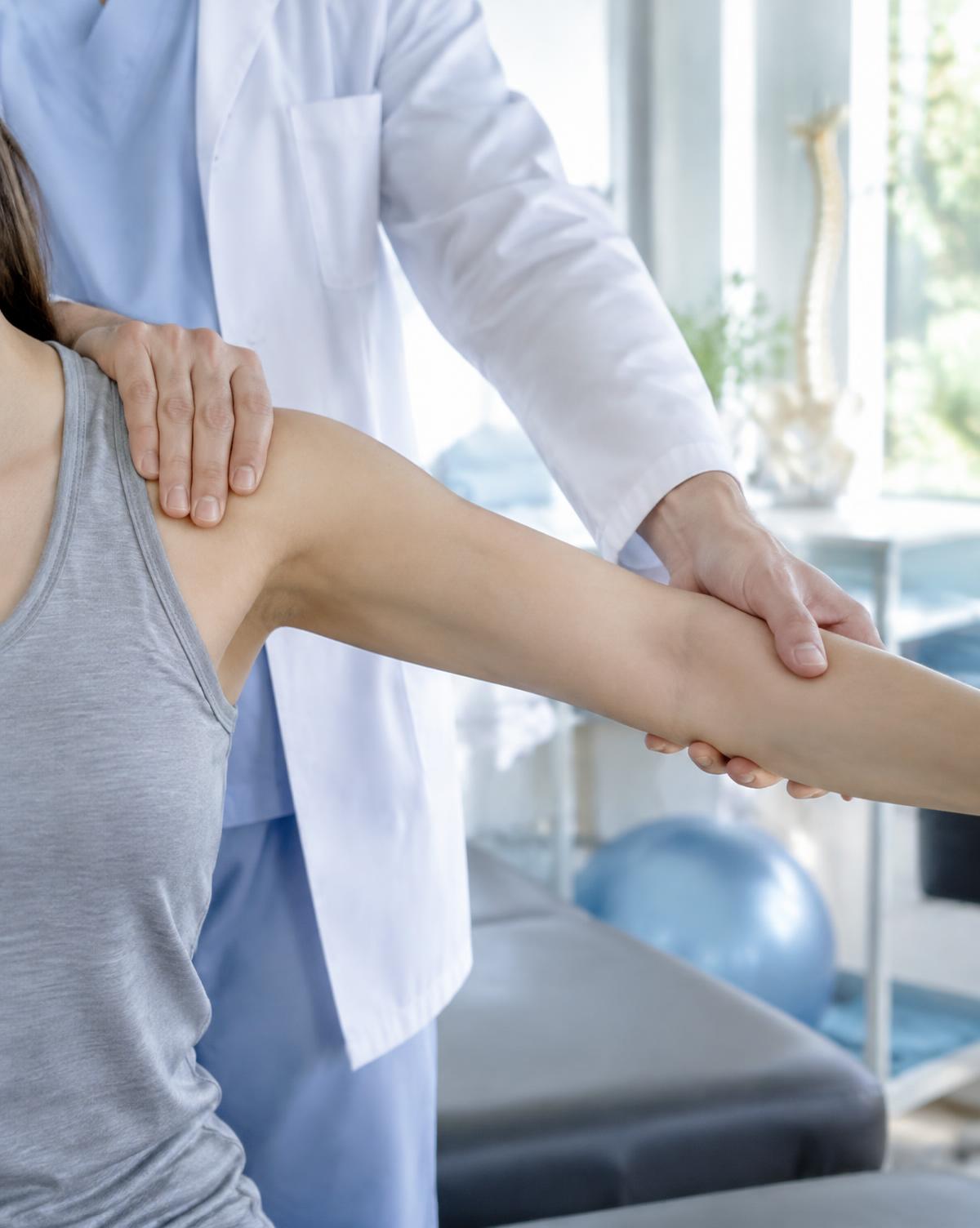
Illustrative image — not AMT staff or patients.
The procedure, in context
AMT is a specialized, multidisciplinary Manipulation Under Anesthesia practice focused on trauma-related and personal injury referrals. We evaluate persistent musculoskeletal symptoms and restricted motion after documented conservative care. Patients without a traumatic injury may also be considered when clinical criteria are met.
Deep IV sedation is managed by a qualified anesthesia provider while two certified MUA practitioners perform controlled manual techniques. There are no incisions. Structured rehabilitation is coordinated with your treating provider.
Trauma-related referrals
01
Persistent musculoskeletal symptoms and measurable mobility restrictions following motor vehicle collisions.
02
Selected patients experiencing ongoing musculoskeletal restrictions after a fall or related traumatic event.
03
Patients whose pain, functional limitations, and restricted range of motion have not adequately improved with appropriate conservative treatment.
An accident or injury does not automatically qualify someone for MUA. Candidacy and medical necessity require individualized clinical evaluation.
Individualized patient selection
Manipulation Under Anesthesia is not a first-line treatment or a procedure recommended solely because a patient continues to experience pain.
At Advanced Manual Therapies, every potential candidate undergoes an individualized clinical evaluation. The decision to recommend MUA is based on documented treatment history, objective examination findings, functional limitations, relevant diagnostic information, and appropriate patient selection criteria.
When MUA is not clinically indicated, the procedure is not recommended. An accident, injury, legal case, or payment arrangement does not establish candidacy; clinical decisions are independent of legal involvement and payment arrangements.
The process
Each phase is individualized. Timelines vary and no outcome is guaranteed.
Records, imaging, and measured range of motion are reviewed against guideline-based criteria to determine whether MUA is appropriate.
DetailsA qualified anesthesia provider administers and monitors deep IV sedation while two certified MUA practitioners perform controlled manual techniques.
DetailsIndividualized follow-up care — commonly over several weeks — continues with your treating provider, with outcomes measured and documented.
DetailsAreas of treatment
Whether any area is appropriate for MUA depends entirely on your individual evaluation.
The multidisciplinary team
Manipulation Under Anesthesia requires a coordinated clinical team. At Advanced Manual Therapies, the procedure is performed by two certified MUA practitioners working alongside qualified anesthesia providers, nursing personnel, and appropriate medical oversight.
This collaborative approach supports patient evaluation, procedural monitoring, clinical safety, and coordinated post-procedure care.
Dr. Chen “Kevin” Wang, MD serves as AMT’s Medical Director, providing medical oversight, supporting patient safety, and participating in pre-procedural medical evaluations.
01
Perform the controlled manual techniques during the MUA procedure.
02
Administer and monitor deep IV sedation and manage anesthesia care.
03
Support preparation, procedural care, monitoring, and recovery.
04
Medical Director Dr. Chen “Kevin” Wang, MD provides medical oversight, supports patient safety, and participates in pre-procedural medical evaluations.
Experience & clinical leadership
Co-Founder
North Carolina–licensed chiropractor and founder of The Pain & Weight Loss Center. A U.S. Army veteran who previously served in a chiropractic role with the Carolina Panthers.
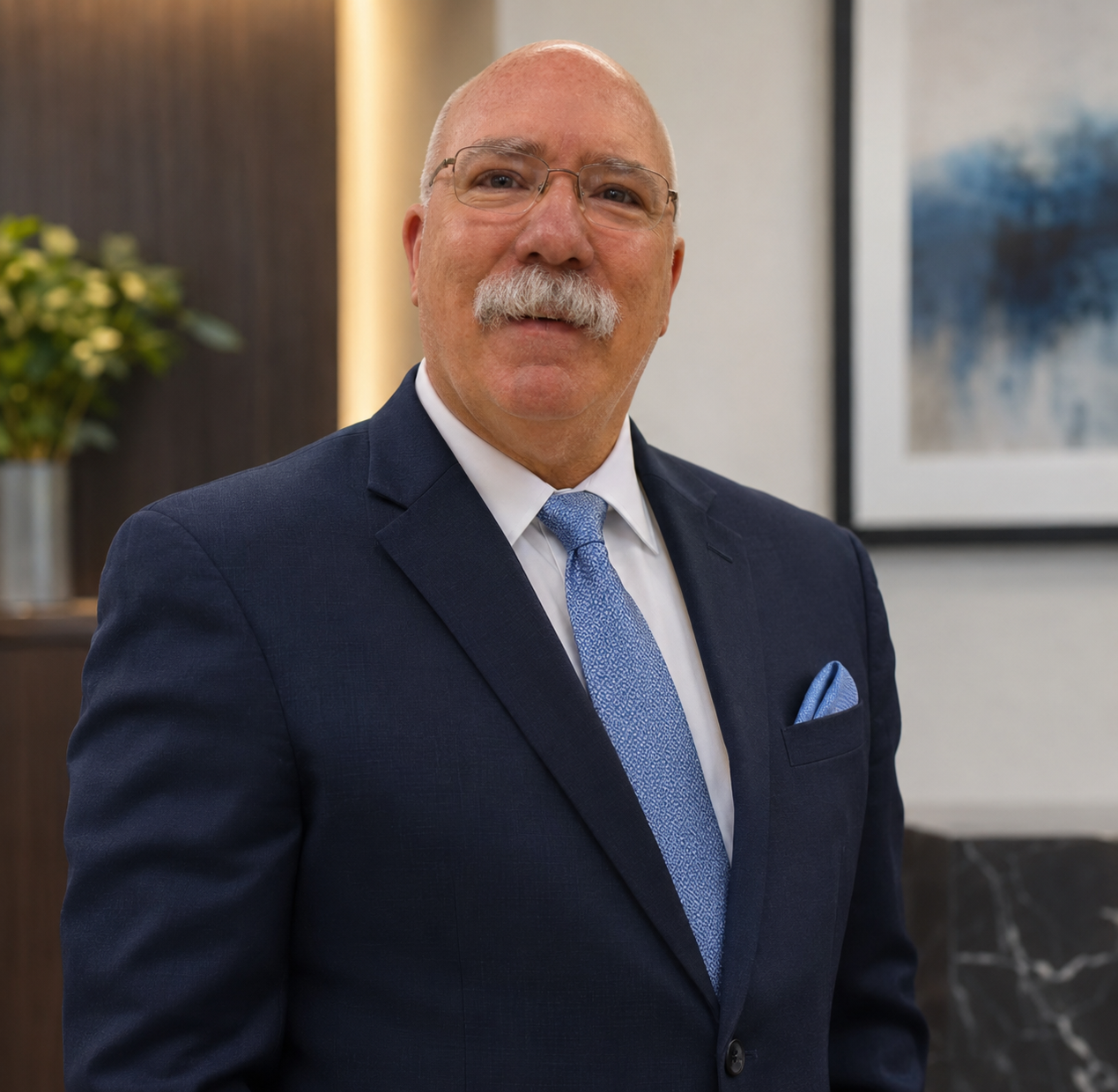
Co-Founder · Author & Educator
Editor of Manipulation Under Anesthesia: Concepts in Theory and Application (CRC Press, 2005) and lead author of the 2014 peer-reviewed MUA practice guideline.

Co-Owner · Administration & Operations
More than 50 years of administrative and office management experience, including over four decades supporting Dr. Gordon's MUA programs and educational training initiatives.

Co-Owner · Registered Nurse
A registered nurse with 21 years of experience spanning trauma care, medical-surgical nursing, outpatient surgery, triage, and travel home health nursing.
Three pathways
Research & standards
AMT evaluates every candidate against published, guideline-based selection criteria. If MUA isn’t appropriate, we’ll tell you.
What guidelines are
A standard of practice
Guidelines describe how MUA should be selected, documented, performed, and followed up. They are not proof that MUA works for everyone.
What trials show
Limited evidence base
Research on spinal MUA consists largely of observational studies and case series. Some insurers consider it investigational.
[1] Peer-reviewed guideline · 2014
Gordon R, Cremata E, Hawk C. Guidelines for the practice and performance of manipulation under anesthesia. Chiropractic & Manual Therapies. 2014;22:7.doi.org/10.1186/2045-709X-22-7
[2] Textbook · 2005
Gordon RC, ed. Manipulation Under Anesthesia: Concepts in Theory and Application. CRC Press; 2005.
Begin here
Medical necessity comes first. Documented prior care, objective findings, functional limitations, and medical clearance guide each recommendation — independently of legal involvement or payment arrangements.